

Aircraft / Learjet 445 Series
JStream Original Aircraft Template
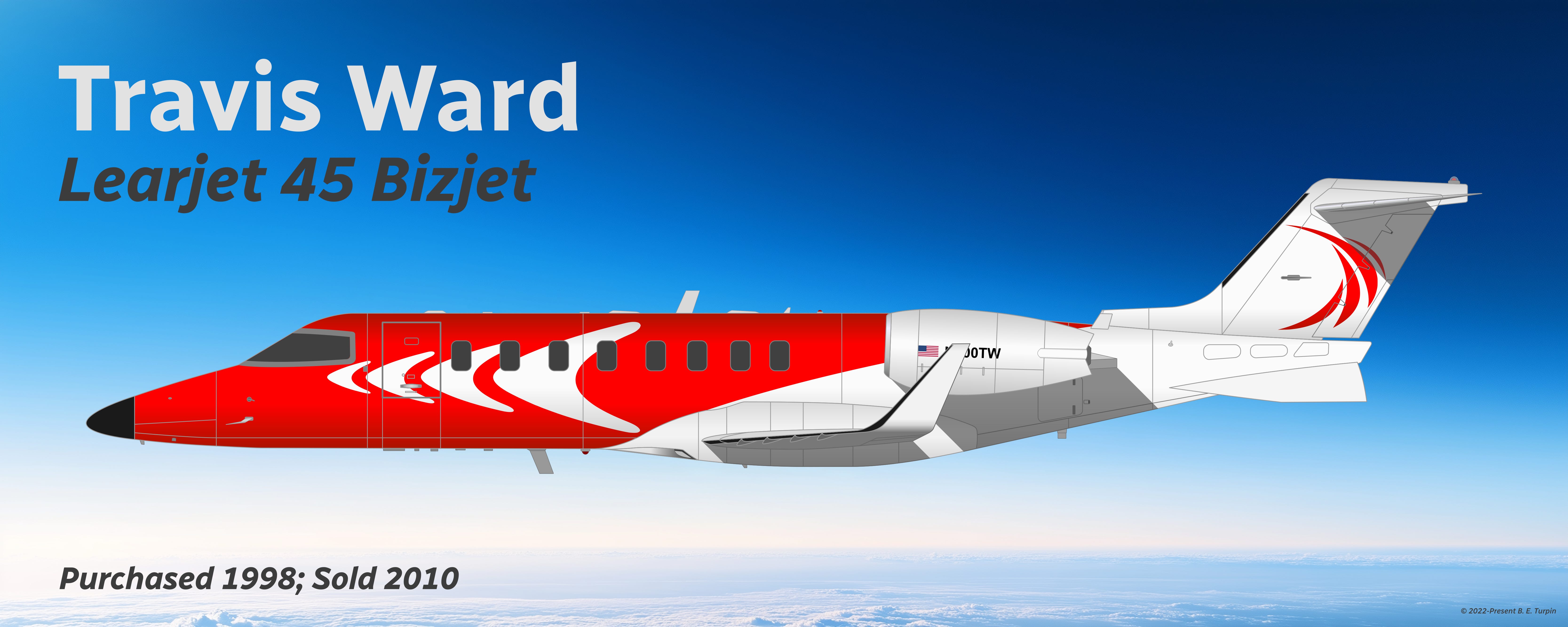
The Learjet 45 series of aircraft are a series of light-to-midsized twin engine business jets designed and manufactured by Learjet Corporation of Wichita, Kansas USA, which later became a subsidiary of Bombardier Aerospace of Dorval, Quebec, Canada.
The Learjet 45 was the company’s first clean sheet design since the original Learjet, the Learjet 23, which first debuted in 1963. The Learjet 45 was developed beginning in 1989, and designed to be competitive with popular rivals such as the Cessna Citation Excel, the Cessna Citation XLS, Hawker 800XP, and the Gulfstream G100, among others.
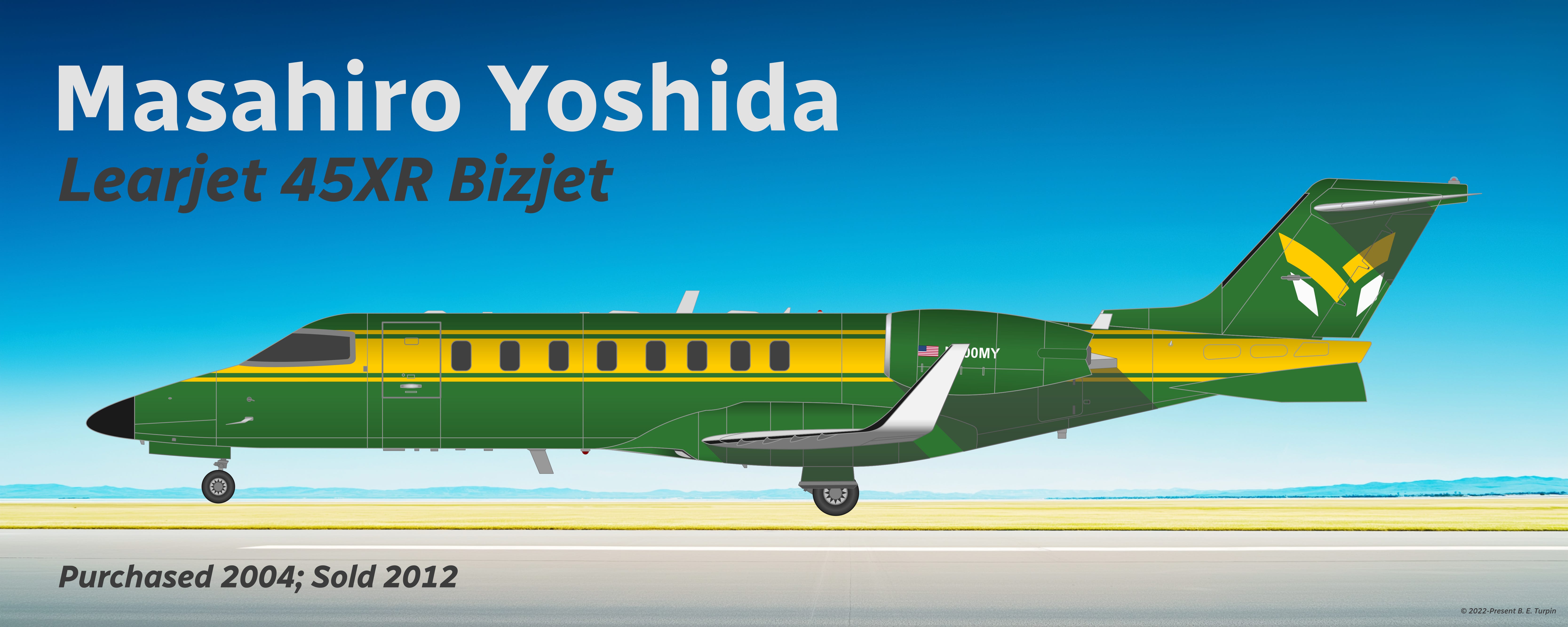
Noted for its excellent performance and operational economics, the Learjet 45 first entered service in 1998, but experienced several mechanical and electrical problems thereafter, resulting in frequent groundings that began to hamper their reliability over time. By the late 2010s, however, these problems were ironed out to the point where the type had gained a reputation as an affordable and reliable “gas-and-go” aircraft.
Production of the Learjet 45 series ended in 2012 with a total of 642 units built across these four main variants:
Learjet 45 - the baseline model, introduced in 1998;
Learjet 45XR - an extended range version introduced in 2004 that offered greater cruise speed and the ability to operate from 4000 ft runways;
Learjet 40 - a slightly shorter version of the Learjet 45 that debuted in 2003; and
Learjet 40XR - a higher performance version of the Learjet 40 that entered service in 2004.
The Learjet 45 was replaced by the next-generation Learjet 70/75, which debuted in 2013.
Reference: Wikipedia.
Stats
Stats displayed are for the Learjet 45XR twinjet aircraft.
Name: Learjet 45XR
Final Assembly Line: Wichita, Kansas USA
Role: Large Twin Engine Short to Medium Range Business Jet
First Introduction: 1 June 1998
Status: Out of Production; In Service
Cockpit Crew: Two
Seating: Up to 9
Engines: 2 × Honeywell TFE731
Cruise Speed: 445 knots (804 km/h; 510 mph)
Range: 1710 nmi (3167 km; 1968 mi)