

Aircraft / Learjet 35 Series
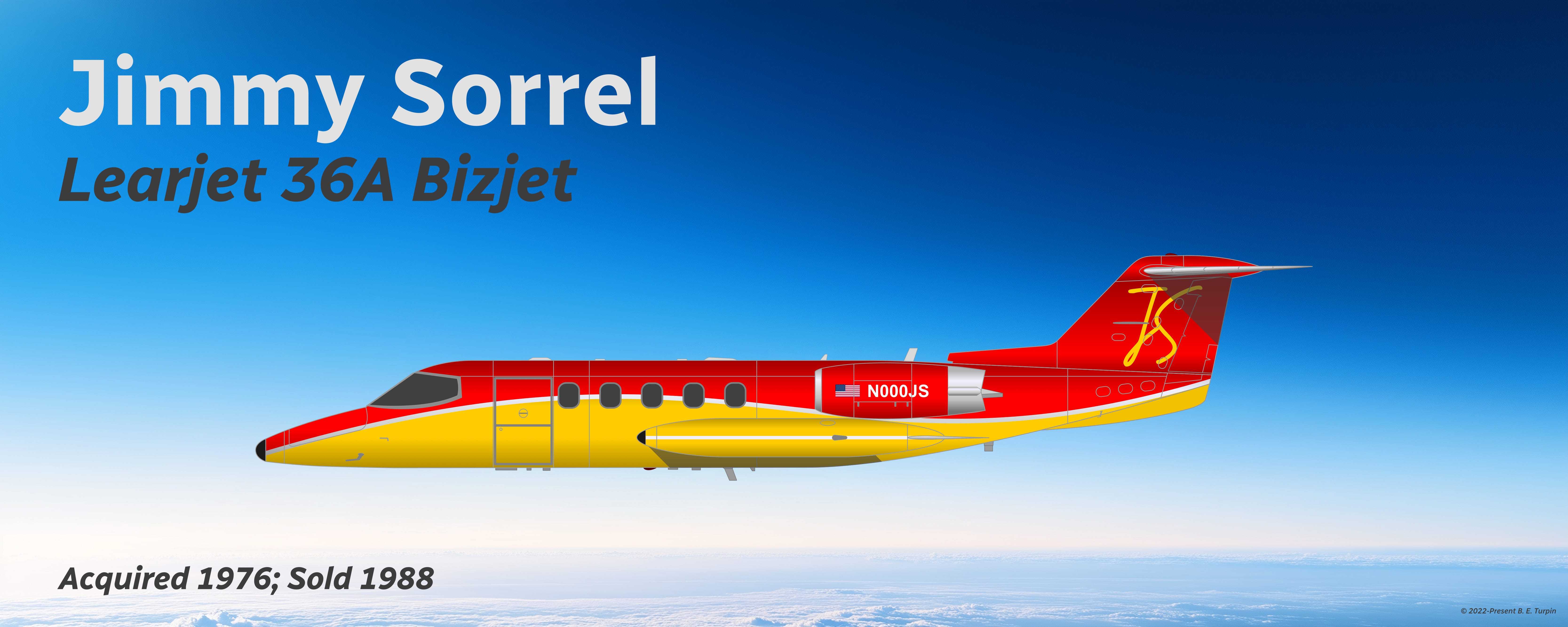
JStream Original Aircraft Template
The Learjet 35 series of aircraft are a series of light, medium-range twin engine business jets designed and manufactured by Learjet Corporation of Wichita, Kansas USA, which later became a subsidiary of Bombardier Aerospace of Dorval, Quebec, Canada.
Introduced in 1975 and produced until 1994, the Learjet 35 was also among the fastest medium-range jets of its time, as well as the best selling model of the Learjet line of aircraft with 738 units built. It was also the last Learjet model to feature wingtip fuel tanks.
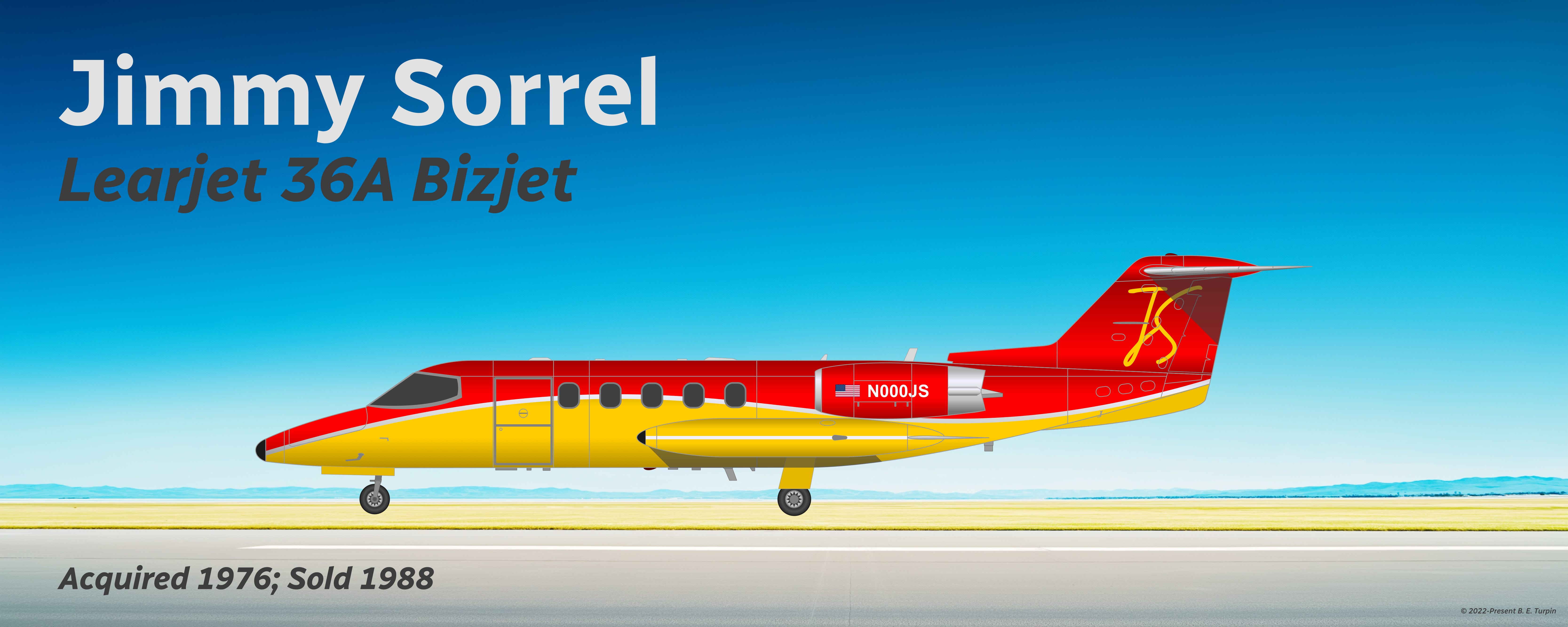
The Learjet 35 series produced a total of four subvariants, all of which are effectively identical to each other visually:
The baseline model Learjet 35;
The upgraded model Learjet 35A, which replaced the base model and became its top selling variant;
The Learjet 36, which has a larger internal fuel tank and increased range but also a slightly reduced passenger cabin; and
The Learjet 36A, which features upgraded engines and a higher maximum weight.
Originally intended to be a subvariant of the Learjet 25, the Learjet 35 was the first Learjet model to feature the then-new Garrett TFE731 (now Honeywell TFE731) turbojet engines mounted on each side of the rear fuselage. These replaced the General Electric CJ610 powerplant used on prior generation Learjets. With a few other design improvements, Learjet decided that the Garrett engines’ increased power and reduced noise footprint was enough to market the aircraft under its own name, designating it as the Learjet 35.
At the time of its introduction in 1975, Learjet claimed the Learjet 35 was among the fastest business jets in its class, and over time the type did establish new round-the-world records within its operating class. Thanks to its speed and flight range capabilities, the Learjet 35 became the aircraft of choice for several heads of state during the 1970s and 1980s.
In addition to serving as a VIP transport aircraft, military versions of the Learjet 35 also operated in medevac, cargo, reconnaissance and airborne early warning and control (AEW&C) roles.
Production of the Learjet 35/36 series ended in 1994 with 738 units built, making it the most popular Learjet variant ever sold. Alongside the Learjet 31, it was also the last variant derived from the Learjet 23. It was replaced by the next generation Learjet 45, which was developed from a clean-sheet design.
As of 2025, more than 500 Learjet 35/36 aircraft are still flying worldwide, and many are still serving in military support roles.
Reference: Wikipedia.
Stats
Stats displayed are for the Learjet 36A twinjet aircraft.
Name: Learjet 36A
Final Assembly Line: Wichita, Kansas USA
Role: Light Twin Engine Medium Range Business Jet
First Introduction: 28 June 1974
Status: Out of Production; In Service
Cockpit Crew: Two
Seating: Up to 8
Engines: 2 × Honeywell TFE731
Cruise Speed: 418 knots (774 km/h; 542 mph)
Range: 2857 nmi (5291 km; 3288 mi)